 info@nbcoir.com
 +94

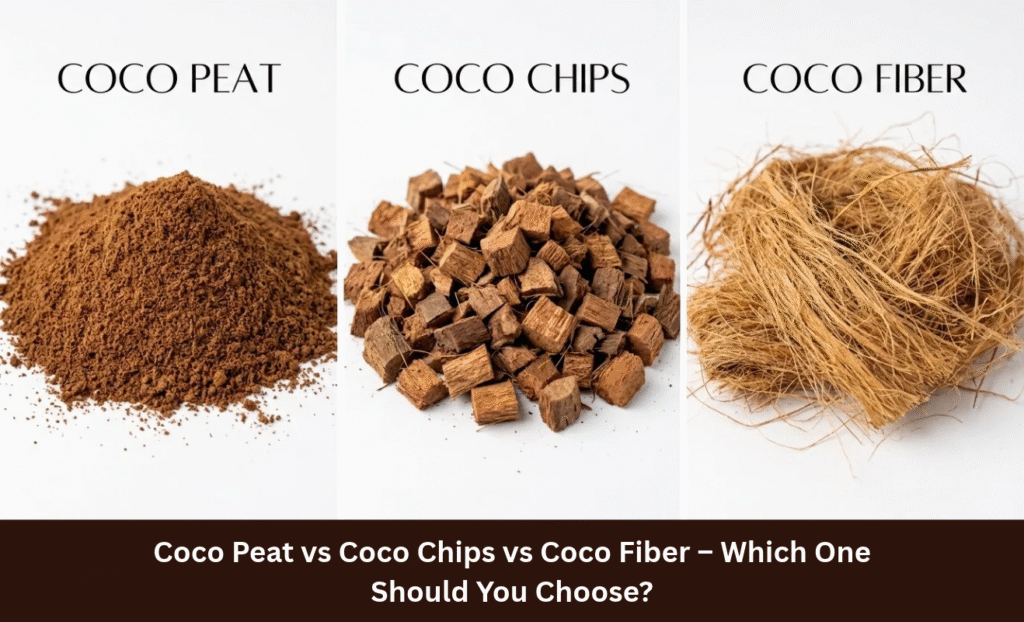
Coco peat vs coco chips is one of the most common questions growers ask when choosing a coco coir substrate. Although both come from the coconut husk, they perform very differently in terms of water...
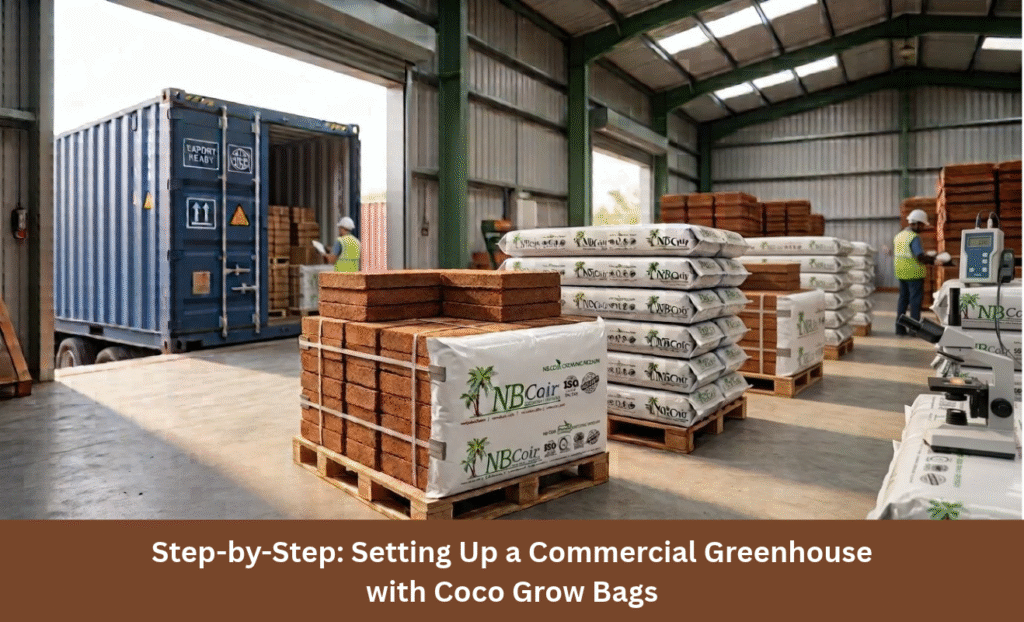
Setting up a commercial greenhouse with coco grow bags is one of the most efficient ways to grow high-value crops like tomatoes, cucumbers, peppers, strawberries, and leafy greens. Coco grow bags...
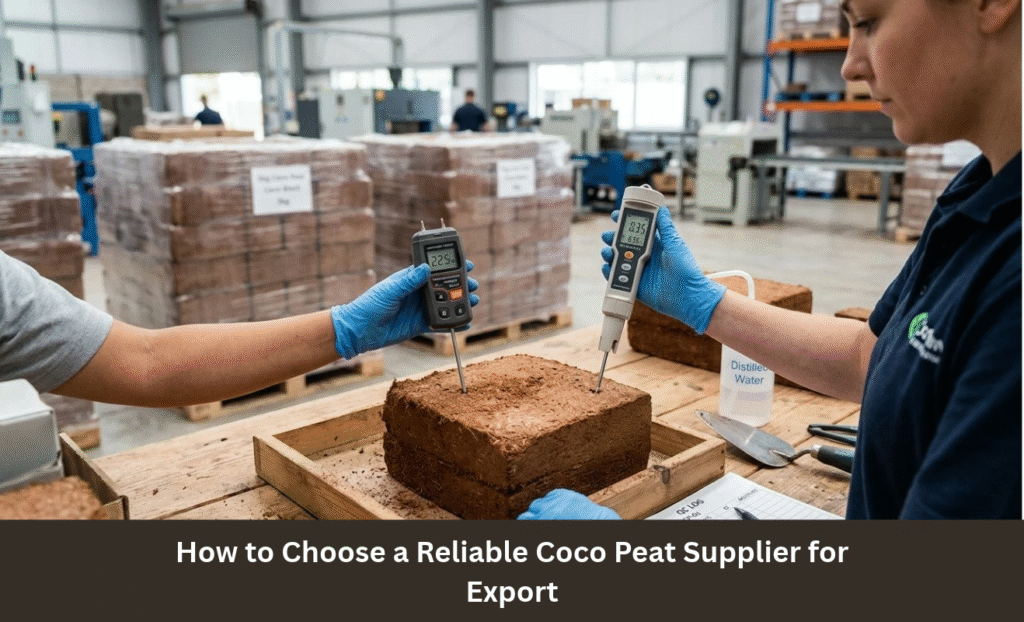
Finding a dependable coco peat supplier for export is not just about getting the lowest price. One bad container can damage your reputation with growers, delay projects, and cost far more than the...
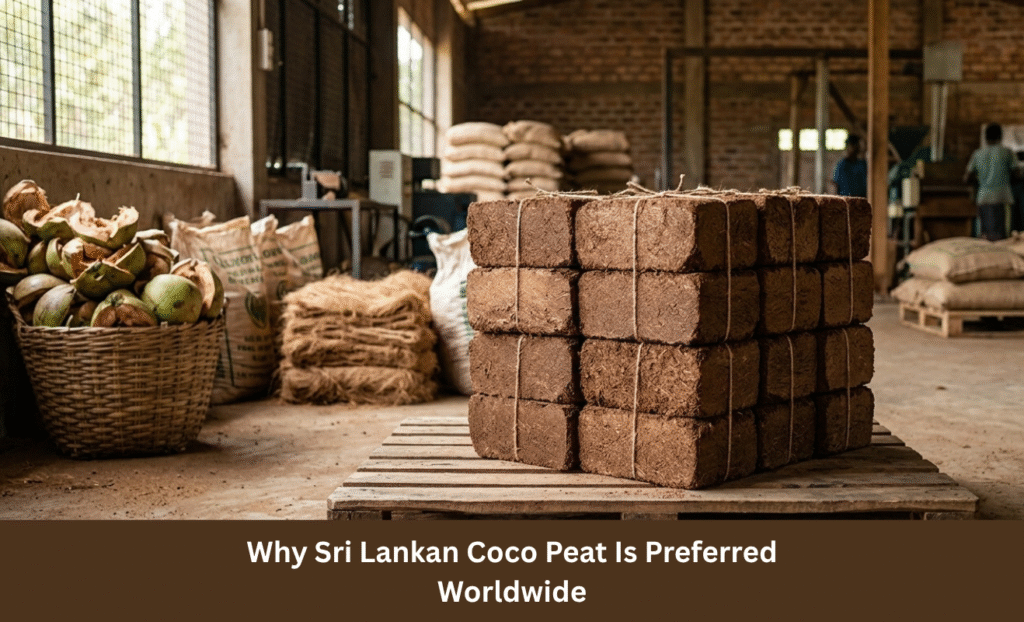
Sri Lankan coco peat has built a strong reputation among commercial growers, greenhouse operators and importers around the world. It’s not just because the country produces a lot of it. The...
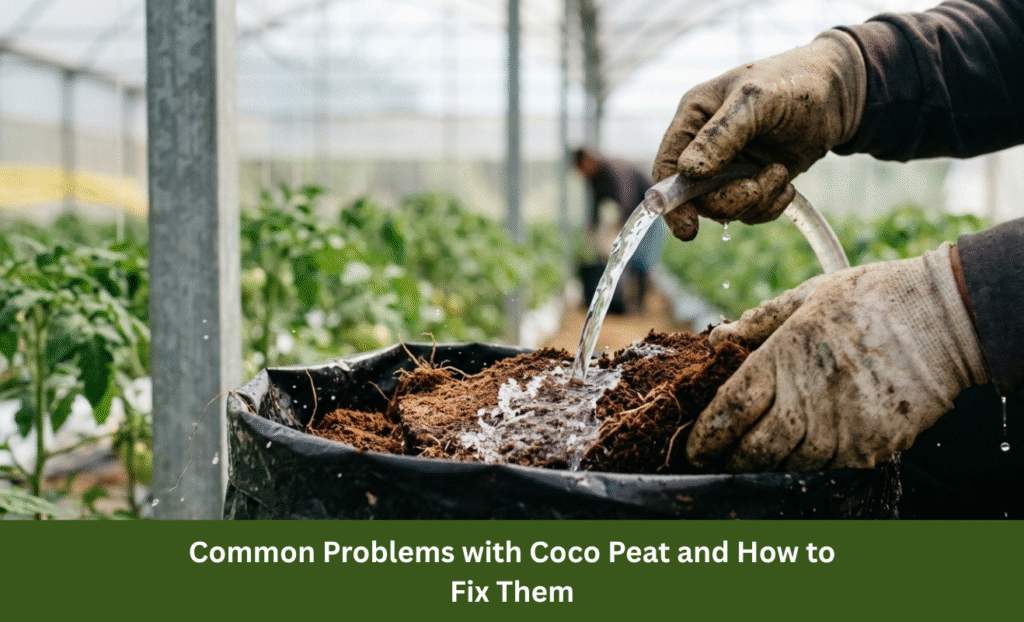
Salt buildup, nutrient lockout, pH drift, and compaction Coco peat problems are more common than many growers expect. Even high-quality coco can develop salt buildup, nutrient lockout, pH drift or...
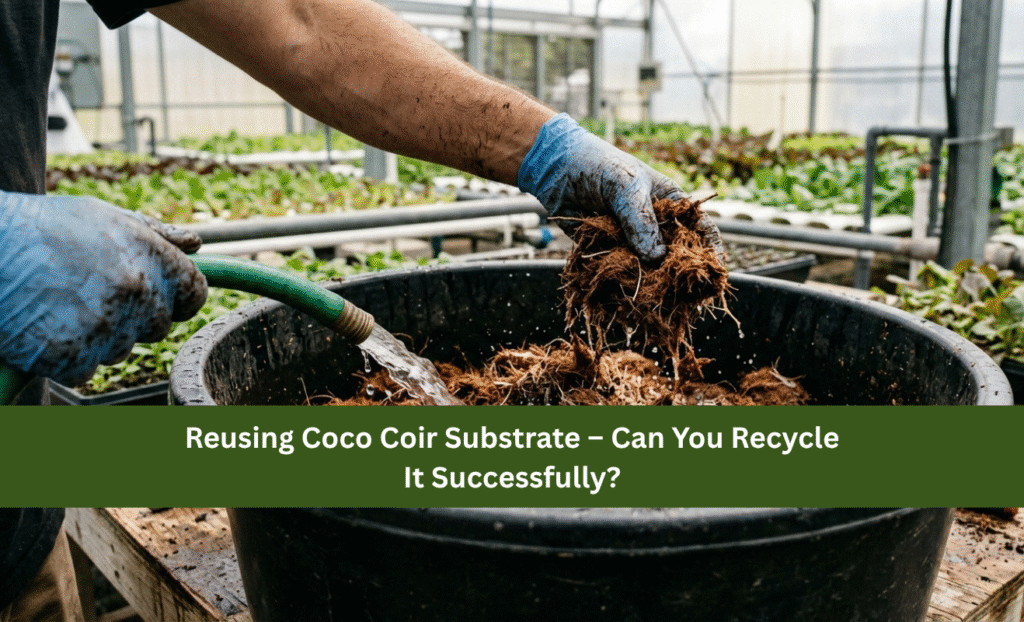
How many cycles, sterilization methods, and when to replace Reusing coco coir is one of the smartest ways commercial and home growers can cut costs while reducing waste. High-quality coco coir can...
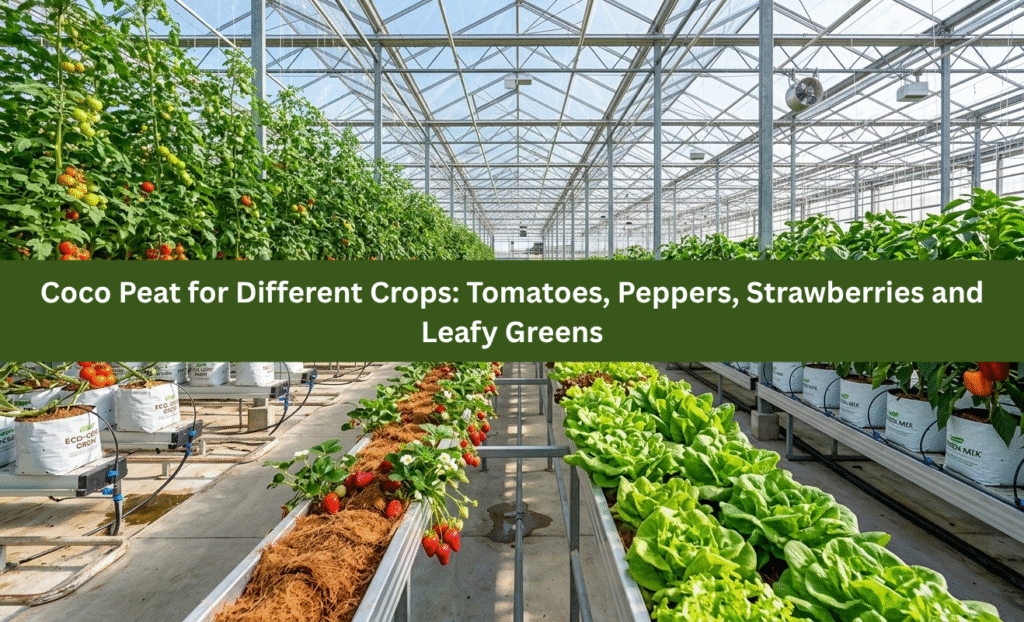
Coco peat works for many crops, but the best results come when you match the material and management to what each plant actually needs. Water-holding, aeration, EC level and irrigation style all play...
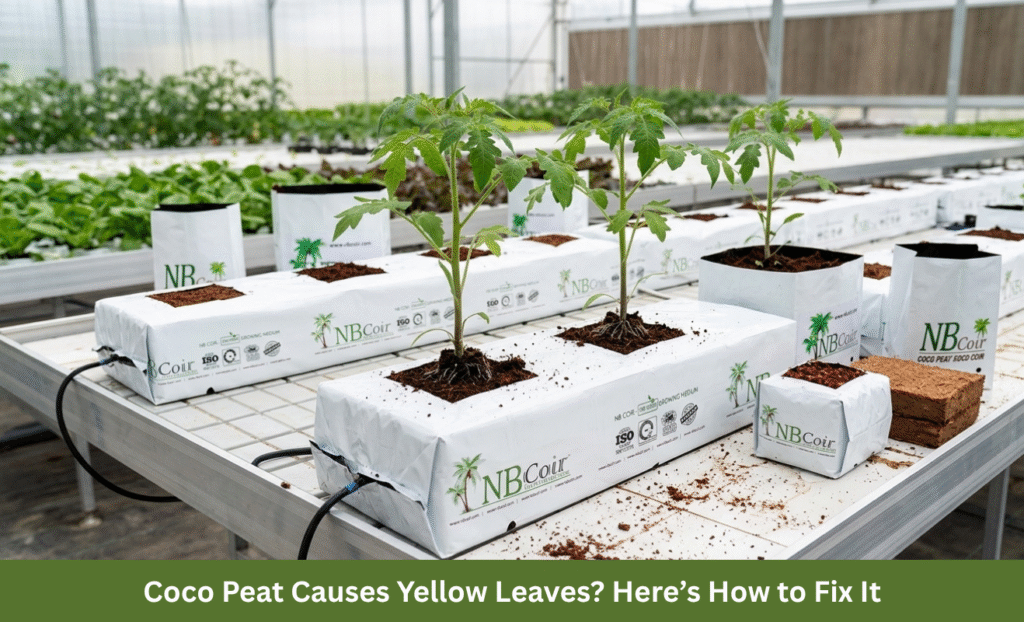
Coco peat causes yellow leaves more often than most growers expect. The plants may look healthy at the beginning, then the new growth starts turning yellow, sometimes with brown edges or tips. Many...
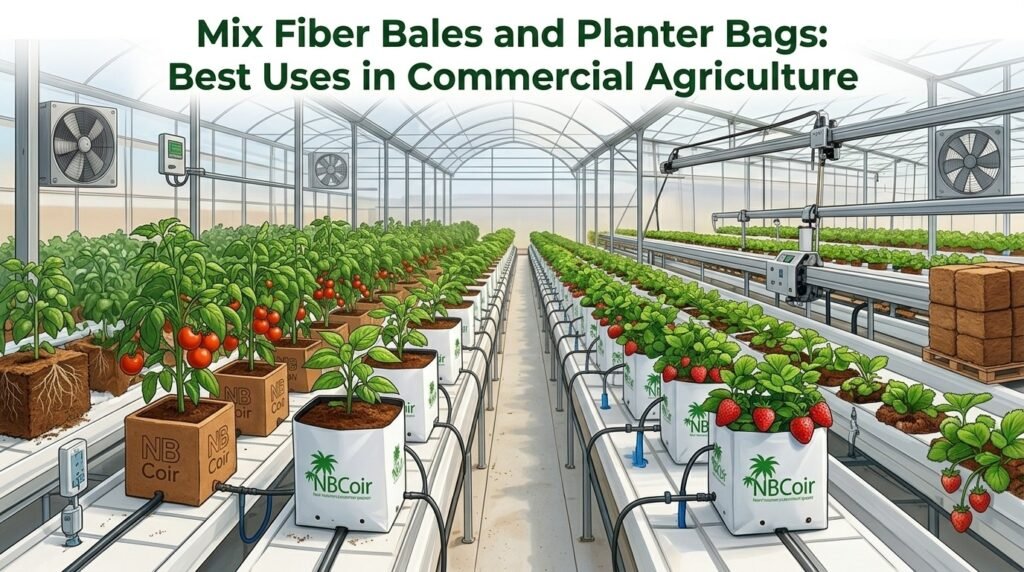
Mix fiber bales and planter bags are two of the most practical and widely used coco coir products in modern commercial agriculture. Both are made from renewable coconut husk material and deliver...
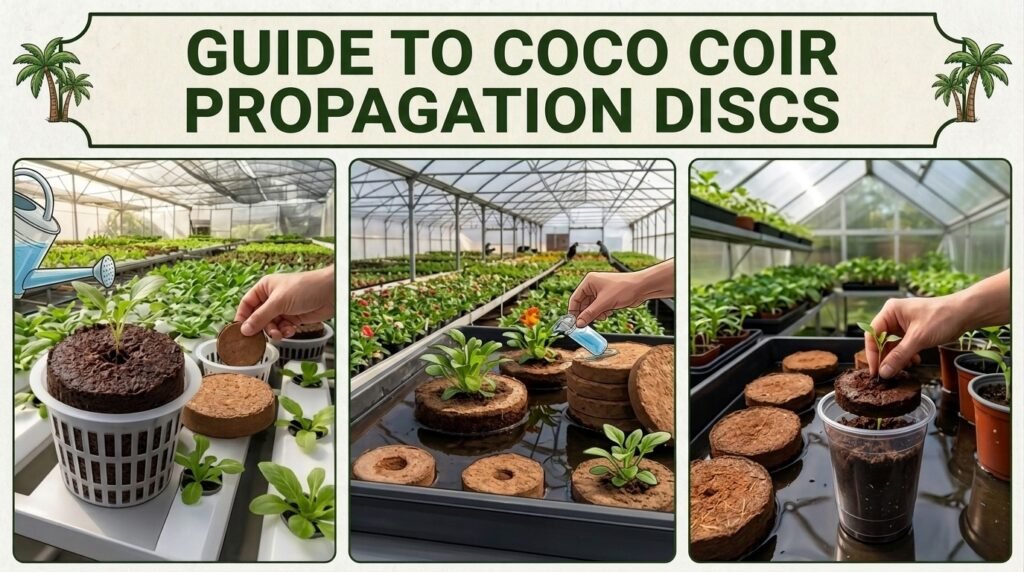
Coco coir discs for propagation are one of the cleanest and most effective tools available for starting seeds and rooting cuttings. These compressed discs expand quickly with water and create the...
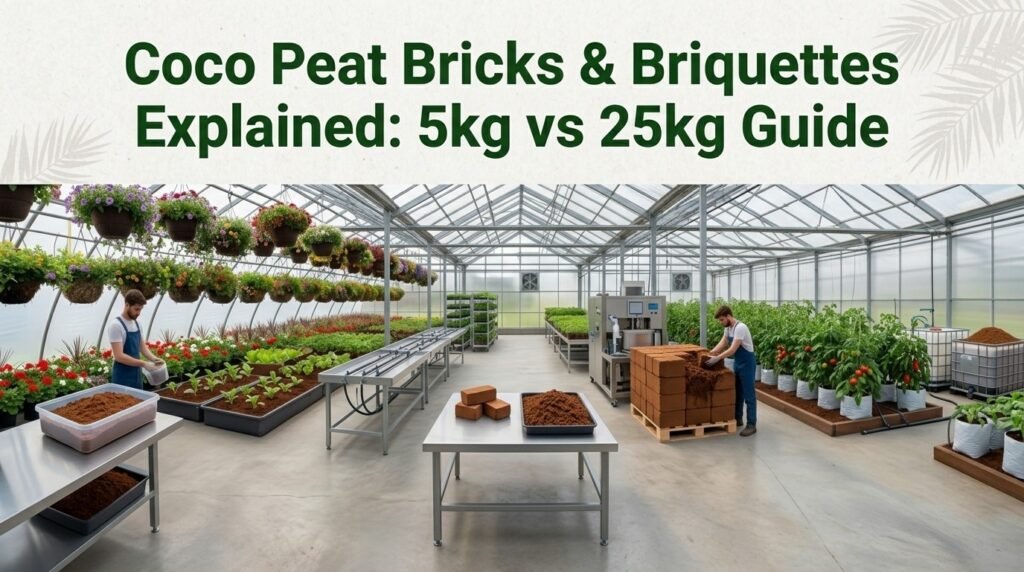
Coco peat bricks and briquettes are compressed forms of coconut coir pith — a renewable, peat-free growing medium made from coconut husks. They deliver excellent water retention, strong aeration, and...
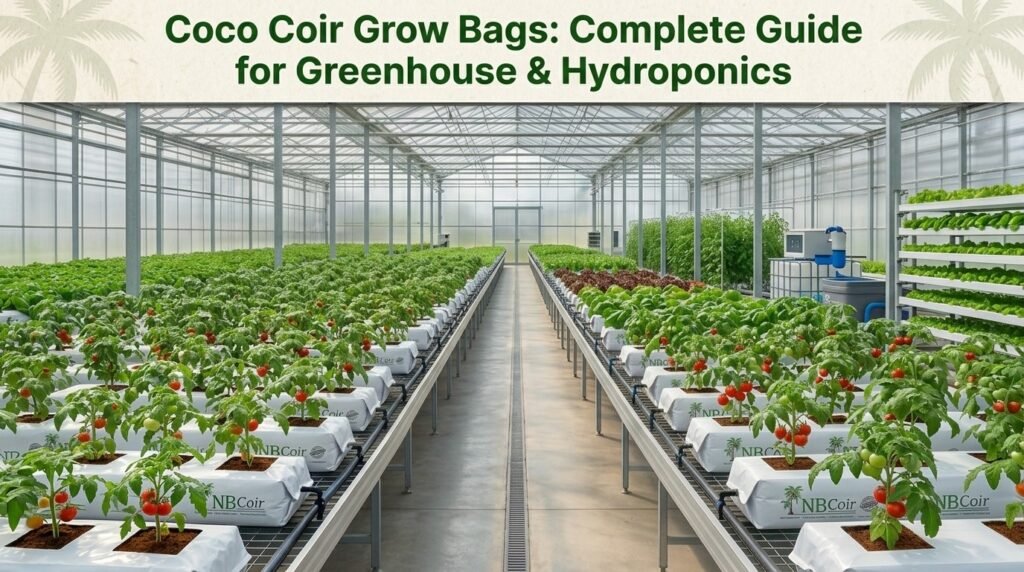
Coco coir grow bags have become one of the most popular growing media for modern greenhouse and hydroponic systems. Made from the fibrous husk of coconuts, these ready-to-use bags offer excellent...
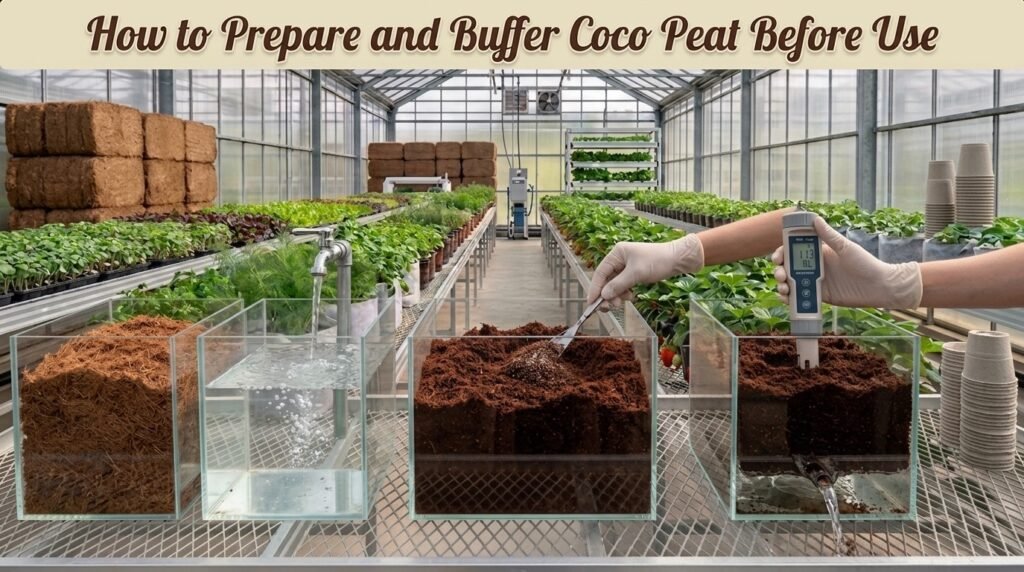
Learning how to prepare coco peat properly is important before using it for hydroponics, greenhouse production, nurseries, container gardening, and commercial horticulture. Depending on its source and...
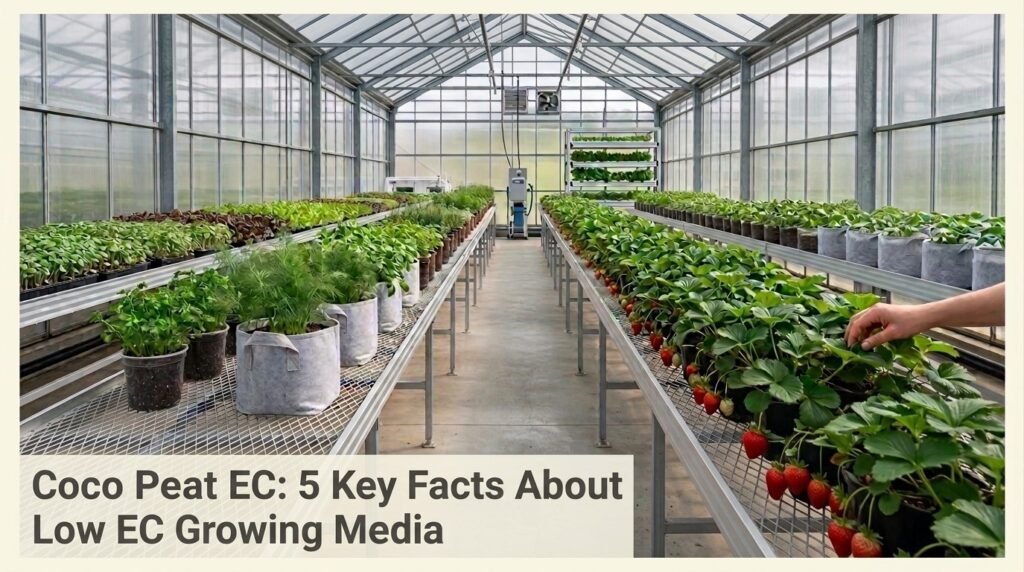
When choosing coco peat for plant production, EC is one of the most important specifications to understand. EC, or electrical conductivity, indicates the level of soluble salts present in a growing...
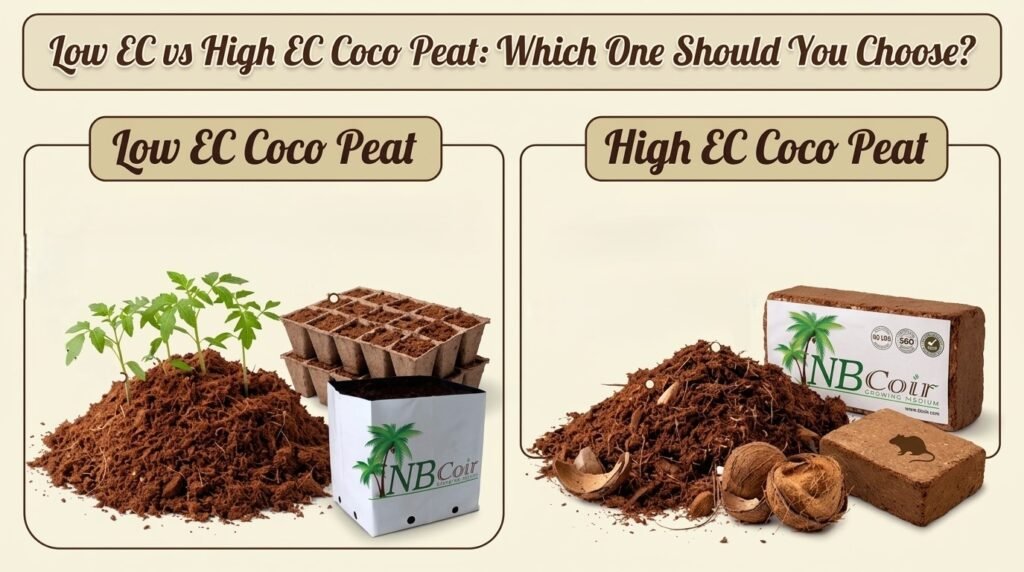
When comparing Low EC vs High EC Coco Peat, most buyers are not aware of EC (Electrical Conductivity) when purchasing coco peat at a commercial or indoor level. But the EC level is the main factor...
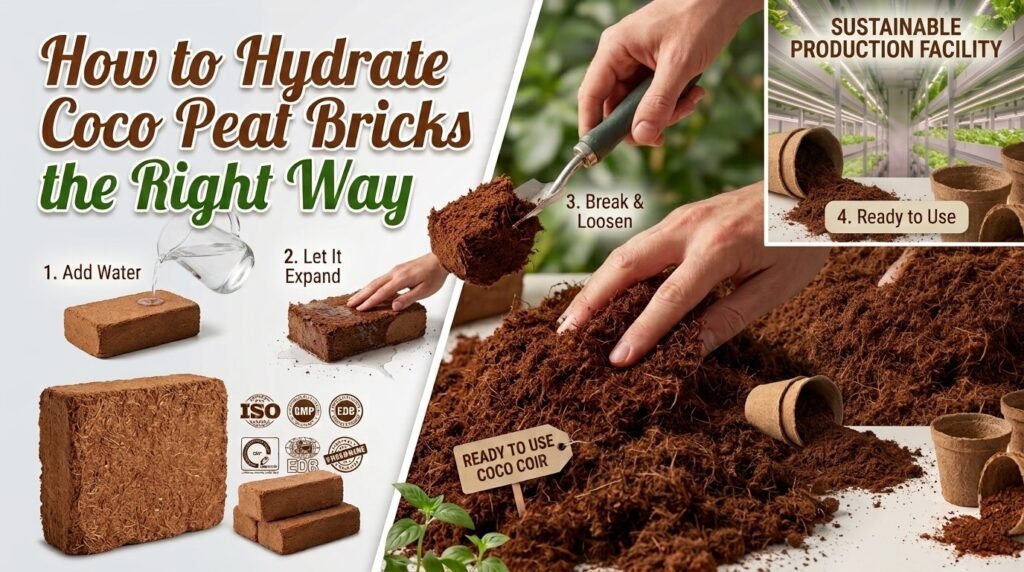
Coco peat bricks are a convenient and eco-friendly growing medium for gardening, seed starting, and container plants. However, because coco peat is compressed into a brick, it needs to be properly...
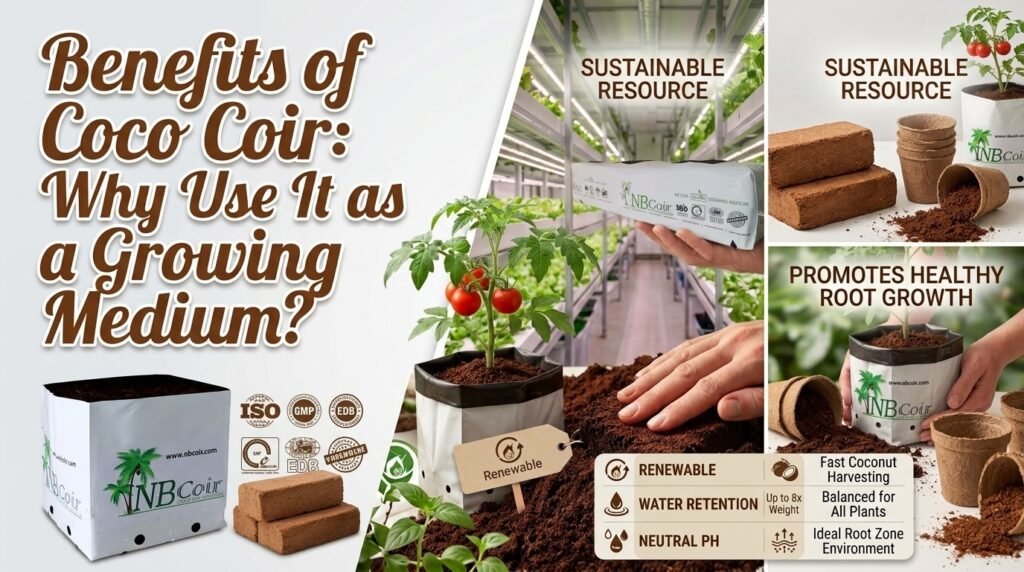
Coco coir has become one of the most common growing media in hydroponics, greenhouses, nurseries and commercial farms. The reason is fairly practical: it holds water well, still lets air reach the...
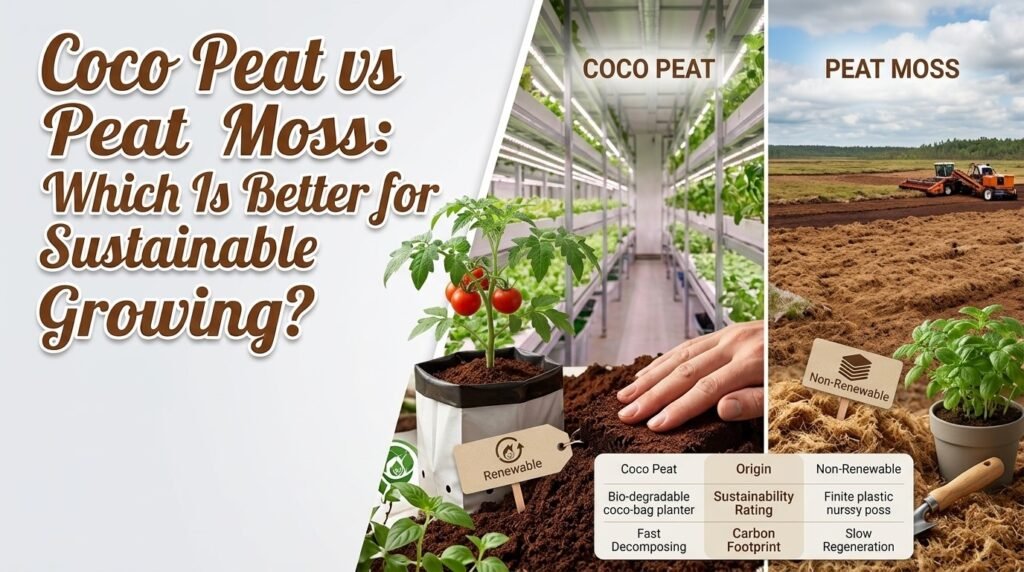
When you’re choosing a growing medium, two names come up again and again: coco peat and peat moss. Both hold water well and can grow healthy plants, but they come from very different places and have...
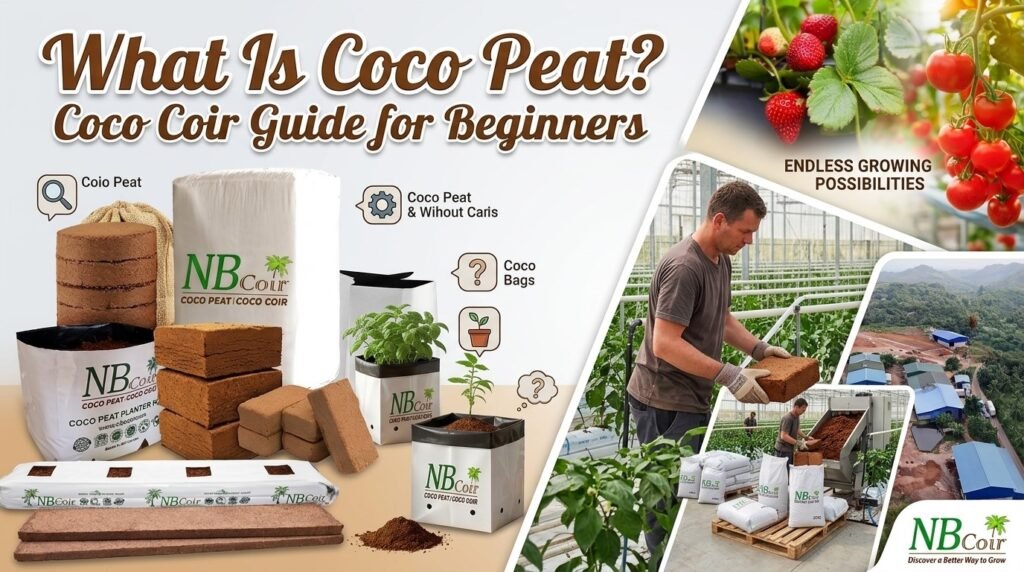
If you’re just getting into gardening, greenhouse growing, or hydroponics, you’ve probably come across the terms coco peat and coco coir. They appear on product bags, in grower forums, and in supplier...
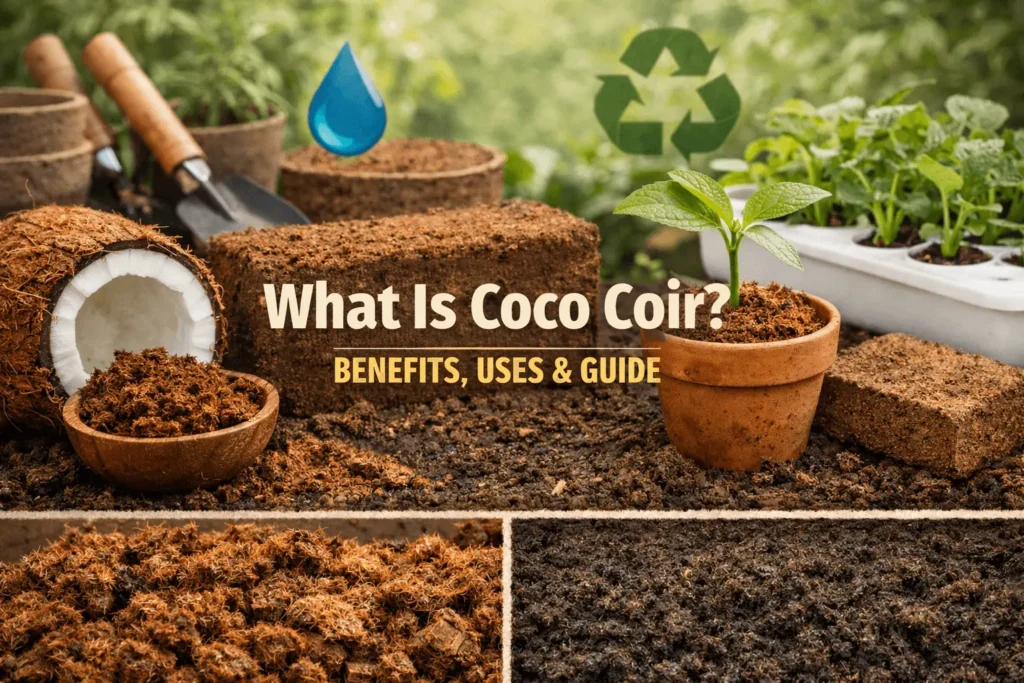
Introduction If you’ve spent any time gardening recently, you’ve probably heard people talk about coco coir. It’s showing up in potting mixes, hydroponic systems, and seed trays everywhere. But what...

If you’ve ever struggled with inconsistent soil media, waterlogging, or slow root growth, you’re not alone. Many growers — from hobbyists to commercial operations — are discovering coco peat (also...
